Propagation Plugs: From Wetting to Post-Transplant Roots
A propagation plug needs to work through more than one stage: first wetting, tray handling, root development and establishment in the next container. This guide connects factory media with a practical buyer evaluation, without treating a selected plant as a complete trial.
Two views of a nursery comparison
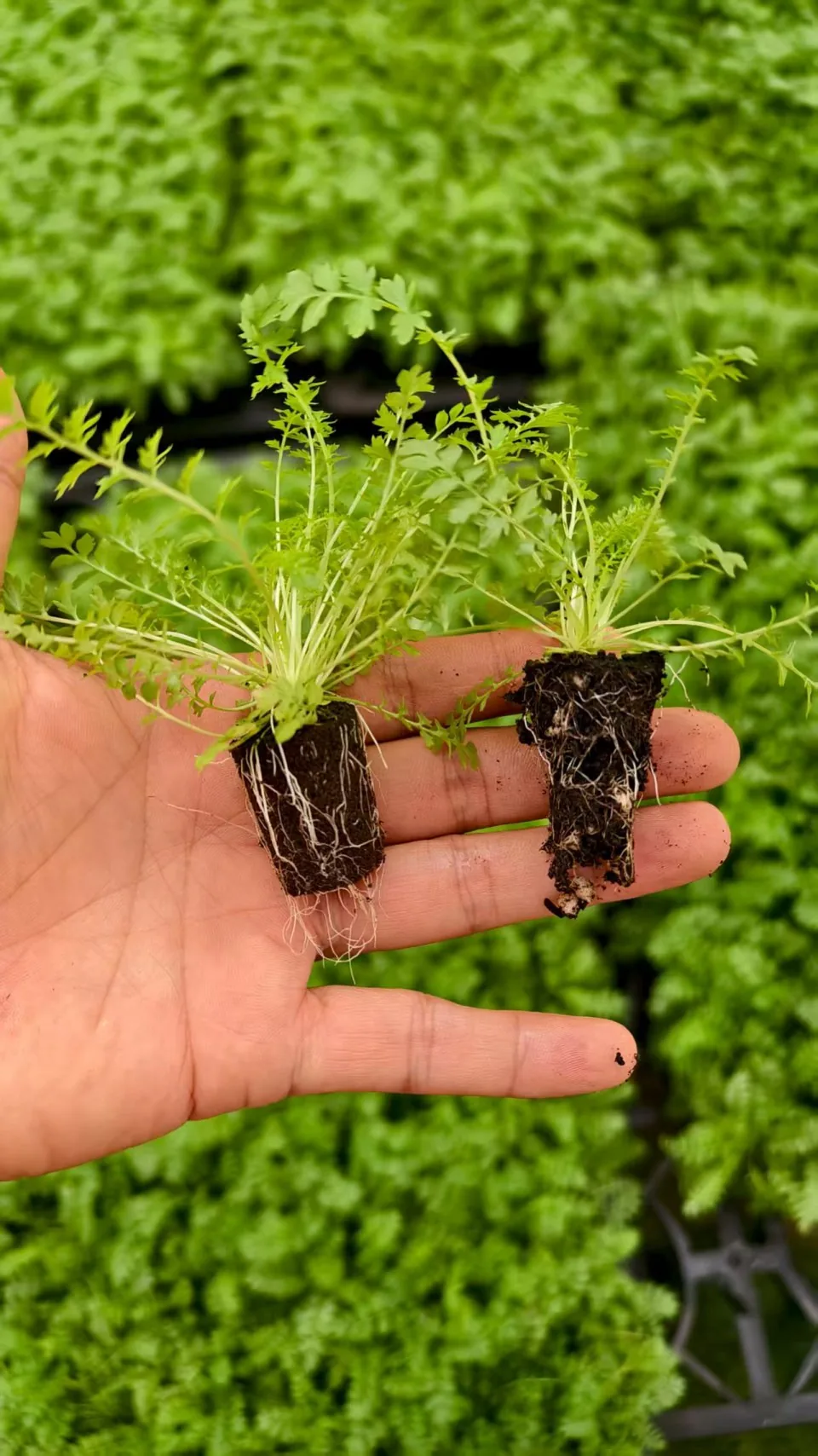
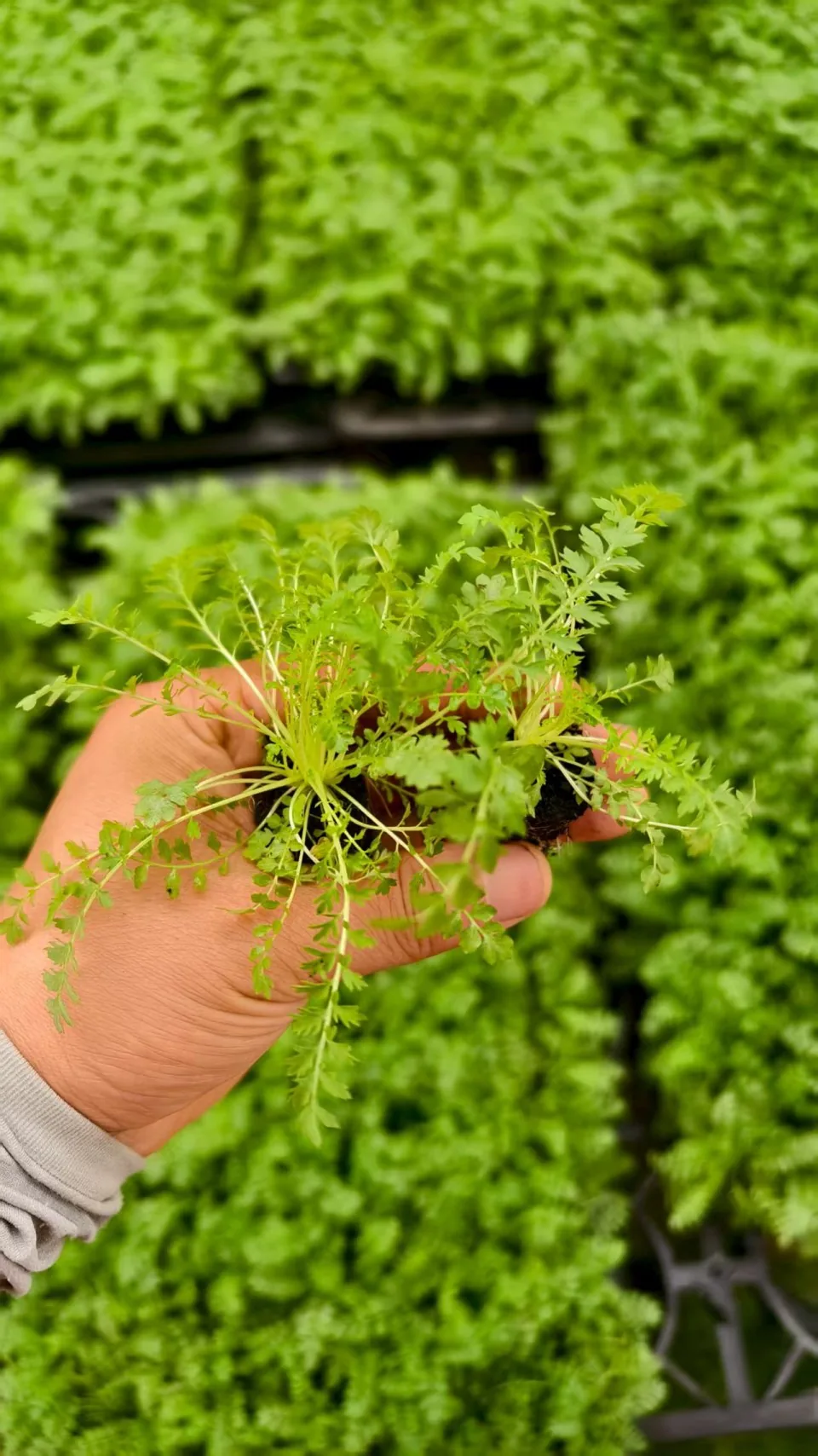
Use the full frame to inspect root distribution and the shape of the media. The photographs are not a model-size reference, a rooting-rate measurement or a survival-rate record. Model selection still requires the approved catalog and an actual tray check.
Follow the process in four factory videos
Original factory branding and English on-screen text are retained. The notes below explain how each recording fits a buyer trial. These edited demonstrations do not replace a batch test or a complete crop record.
1. Initial wetting
2. Airflow through a wet plug
3. Roots at the nursery stage
4. Roots after transplanting
Factory source: Eco Plug / Guangdong Zhuoyu Agricultural Technology Co., Ltd. Media reviewed on October 14, 2026. The review date is not the filming date. Eco Plug
A trial record that supports a purchasing decision
Agree the observation schedule and acceptance criteria before sampling. Keep the candidate plug and your current medium in comparable trays and greenhouse positions. Do not select only the best-looking plants for the record.
| Stage | Record | Decision question |
|---|---|---|
| Receiving and fit | Sample reference, approved model, tray geometry, dry and hydrated fit | Can the delivered sample enter the intended workflow? |
| Wetting and rewetting | Starting moisture, water input, elapsed time, dry pockets and drainage | Is conditioning repeatable with your irrigation method? |
| Tray removal | Moisture condition, handling sequence, broken plugs and loose particles | Does normal handling preserve a usable root zone? |
| Nursery roots | Number started and rooted, observation dates, side and base photographs | Is the response consistent across the sample group? |
| After transplant | Receiving medium, planting depth, irrigation, dates and losses | Do roots extend into the new medium under your conditions? |
| Commercial review | Accepted sample reference, packaging, evidence requirements and shipping route | Are growing, operations and purchasing aligned before bulk supply? |
Keep physical observations separate from chemical results
Wetting and roots do not measure EC or pH. State the extraction ratio, water quality, calibration, units and sample reference with each chemical result. A raw-coir specification cannot be substituted for the finished plug or the buyer's irrigation water.
Read the EC and pH testing protocol · Review research and laboratory evidence
The factory also publishes SGS report CANIN24009790301, dated 21 May 2024, for its submitted nursery sample. It is not a certification of every commercial model. Confirm the applicable document set with MCCS before purchasing. Read the factory SGS source (English PDF)
Buyer questions
Do the videos guarantee a wetting time?
No. Repeat the check with your sample, starting moisture and water-application method. Edited demonstration time is not a universal specification.
Does visible vapor measure porosity?
No. Quantitative porosity or airflow requires a defined test method, sample conditioning and reported units.
Do side-by-side photos prove faster nursery production?
No. A timing or survival claim requires the full crop record, a comparable control, sample counts and agreed endpoints.
What should I send to arrange a useful sample?
Send crop and propagation method, tray information, current medium, irrigation routine, destination and trial objective. MCCS can then discuss a sample shortlist and shipping.
Plan a trial around your production process
MCCS coordinates molded coir and peat supply through an authorized manufacturing partner. Share your crop, tray and next-container workflow so the sample discussion addresses a real production decision.