Shoot fresh weight at 35 days after sowing.
Technical Evidence
Research and Testing Buyers Can Trace
We separate published research, submitted-sample screening and material safety information so buyers can see what each source proves, and what still needs batch or project confirmation.
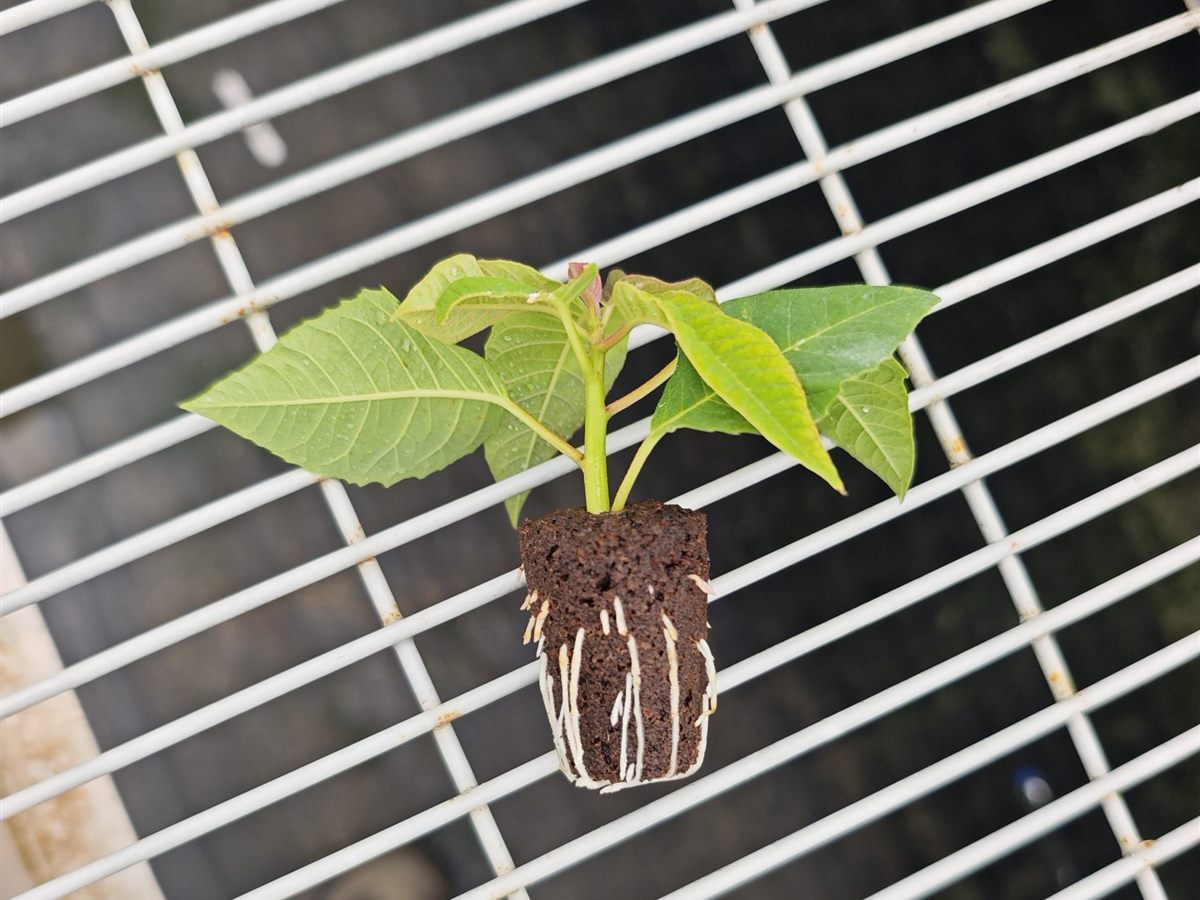
Factory demonstrations
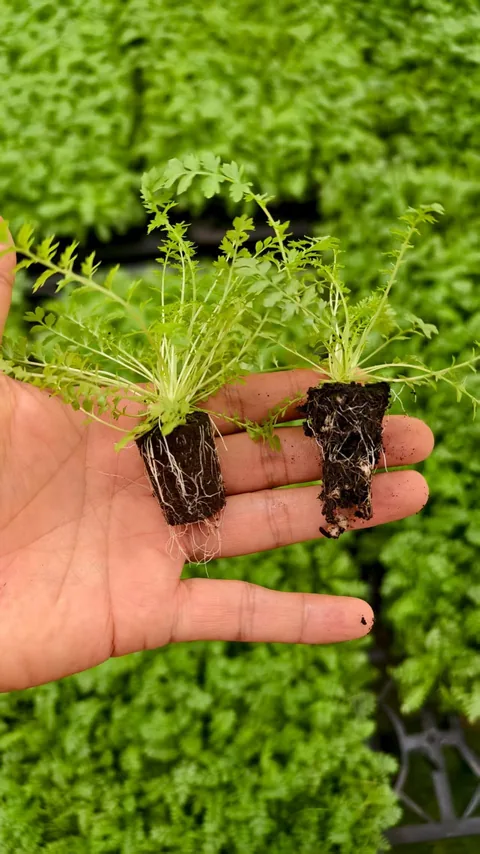
Physical demonstrations and nursery observations
Review wetting, wet-state airflow and roots before and after transplanting alongside a buyer trial checklist. Visual demonstrations and laboratory reports answer different questions.
Published Research
35-Day PFAL Study: Lettuce and Pak Choi
The peer-reviewed study compared one molded coconut coir substrate format with sponge and rockwool at South China Agricultural University. It is research context for the tested material and geometry, not a certification of every CF model.
Study period: 35 days after sowingSystem: hydroponic PFALCrops: lettuce and pak choiLight: 250 micromol m-2 s-1 PPFDAir: 22–26 C, 65–75% RHStatistics: p ≤ 0.05 where reported
Shoot fresh weight at 35 days after sowing.
Energy consumption per unit area yield.
Energy consumption per unit area yield.
Source: Agronomy 2025, 15(8), 1929. DOI: 10.3390/agronomy15081929. Read the methods, statistical notes and all measured trade-offs before applying the results to a commercial decision.
Document Register
What the Available Reports Say
Full source files contain controlled business information and are shared with qualified buyers during project review. The summaries below preserve each report's stated scope.
SGS
SVHC Screening
- Report
- CANIN24009790302
- Date
- 21 May 2024
- Submitted sample
- Seedling and cutting substrate block
- Result
- Pass under the report's stated screening scope; reported substances were at or below 0.1% w/w for the submitted sample.
This result applies only to the tested sample. Confirm the current document and product or batch applicability with sales.
MSDS
Material-System Safety Data
- Report
- SNTEK2024101161
- Date
- 14 October 2024
- Composition stated
- Water-based polyurethane ≤20%; peat 40–70%; coconut coir 30–70%.
- Classification
- Not classified as a hazardous substance or mixture under the report's GHS assessment; not classified as dangerous goods for listed transport modes.
The composition values are formulation ranges in the supplied MSDS, not a batch certificate. The binder is not described here as biodegradable.
Buyer Validation
Use Evidence, Then Test Your Application
Shortlist a model, confirm the applicable document set, and run a controlled sample trial for tray fit, hydration, particle shedding, root handling and transplant performance.
- 1. DefineShare crop, tray dimensions, irrigation method and target volume.
- 2. MatchCompare suitable CF models without changing approved product data.
- 3. ValidateReview current reports and test samples under your own conditions.
- 4. ScaleConfirm packaging, batch requirements and shipping plan.
Qualified Project Review
Request the Applicable Evidence Pack
Tell us the model, application and destination market so sales can confirm which documents and sample plan apply.