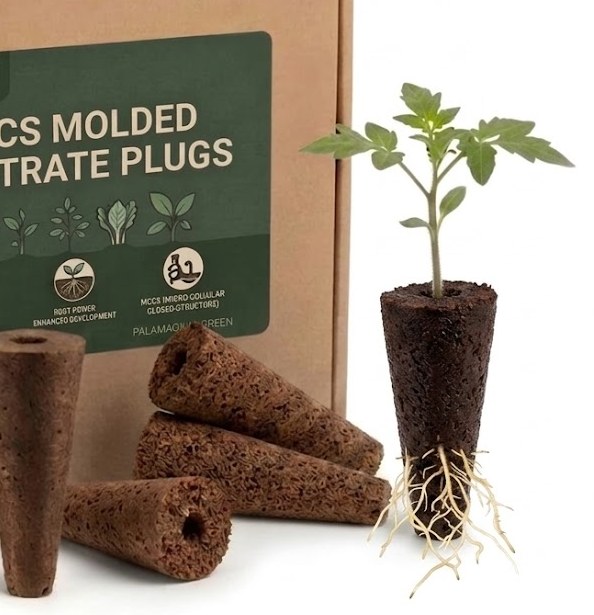
A tray described as “72-cell” is not a complete dimensional specification. Confirm cavity opening, usable depth, taper and drainage before selecting samples, then approve the plug through a controlled side-by-side trial.
Measure the tray before selecting a plug
Cell count describes tray capacity, not the geometry of each cavity. Two 72-cell trays can use different openings, depths, tapers and bottom-drain designs. Send a tray drawing or measurements taken at clearly marked points.
- Record top opening length and width or diameter.
- Measure usable cavity depth and bottom opening.
- Note taper, support ledges, inserts and drainage restrictions.
Define the cutting propagation workflow
Tell the supplier which plant material is being rooted, how cuttings are inserted, how trays are irrigated and how rooted plugs are removed or transplanted. These operating details help distinguish a geometric fit from a workable production fit.
- Identify crop or cultivar and cutting stage.
- Record manual or automated loading and removal.
- Describe irrigation, drainage and environmental controls.
Run a controlled side-by-side trial
Compare candidate plugs with the current medium in the same greenhouse zone. Keep plant material, irrigation inputs, nutrition and observation timing aligned. Do not treat an isolated plant or a single successful pickup as proof of repeatable performance.
- Label every treatment and retain the sample reference.
- Photograph dry fit, hydrated fit and root-zone condition.
- Record rejects and handling observations using defined categories.
Separate measurable results from operating context
Record plug hydration, seating, drainage clearance, stability during handling and root-zone observations, but keep environmental and crop variables beside those results. This makes the trial useful for purchasing, growing and operations teams without turning one trial into a universal performance claim.
Prepare the sample and import brief
Before dispatch, confirm sample count, destination, courier account, importer contact and destination-country document requirements. MCCS can coordinate available commercial invoice, packing list, SDS, composition and test-report support after the product and route are confirmed.
72-cell trial record
| Decision area | Record before trial | Evidence after trial |
|---|---|---|
| Tray interface | Opening, depth, taper and drainage | Dry and hydrated fit photos |
| Plant material | Crop, cultivar and cutting stage | Labelled rooting observations |
| Irrigation | Water method, volume and timing | Hydration and drainage notes |
| Handling | Loading, pickup and transplant method | Reject categories and handling record |
| Commercial route | Sample count, destination and documents | Delivered condition and next decision |
Send the tray measurements, crop or cultivar, current propagation medium, sample count, destination and the operating issue you want to evaluate. MCCS sales can then discuss suitable existing models without changing approved product specifications.