MCCS field notes
Rooted Cuttings in Molded Plugs: Yunnan Exhibition Notes
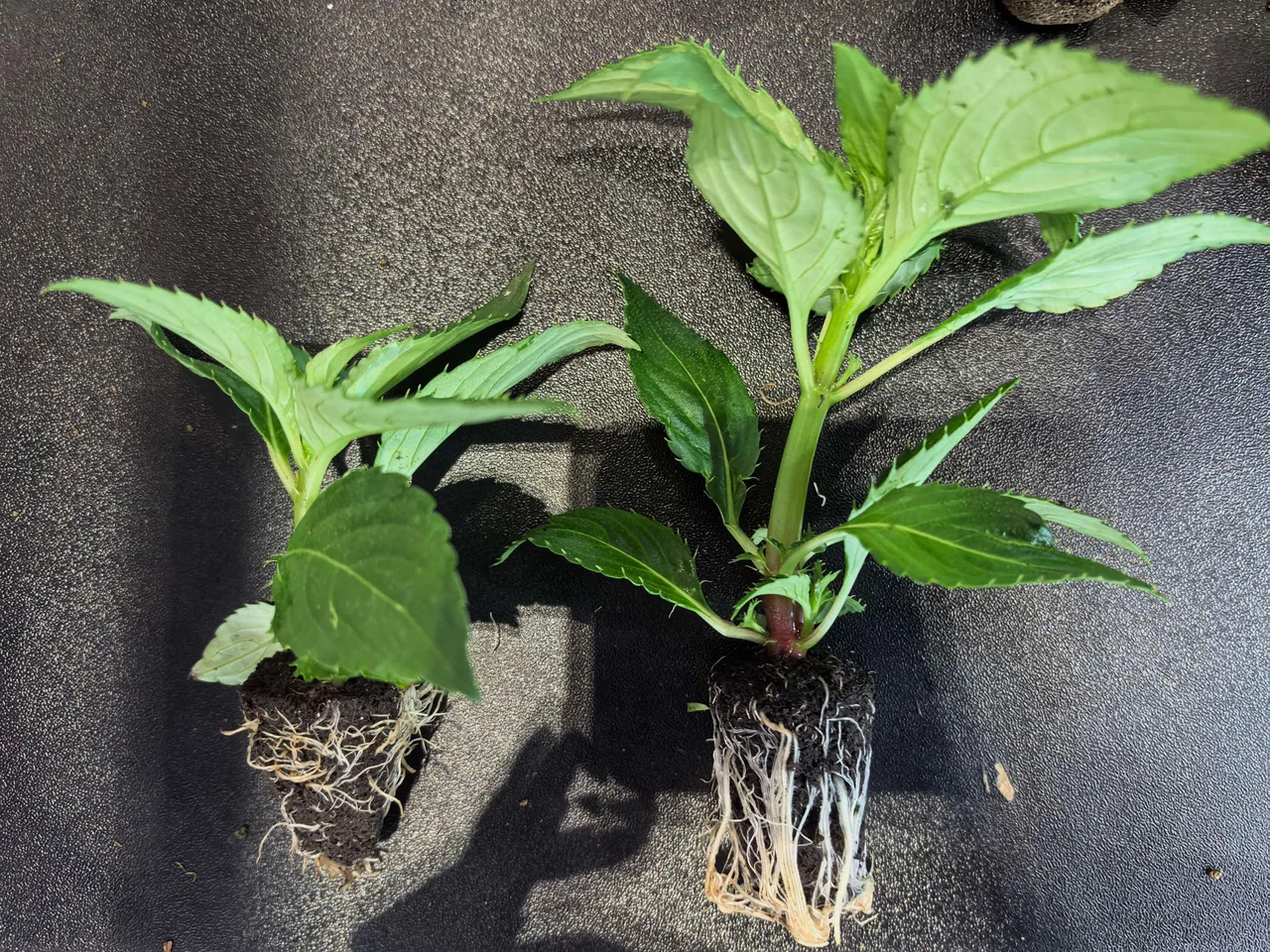
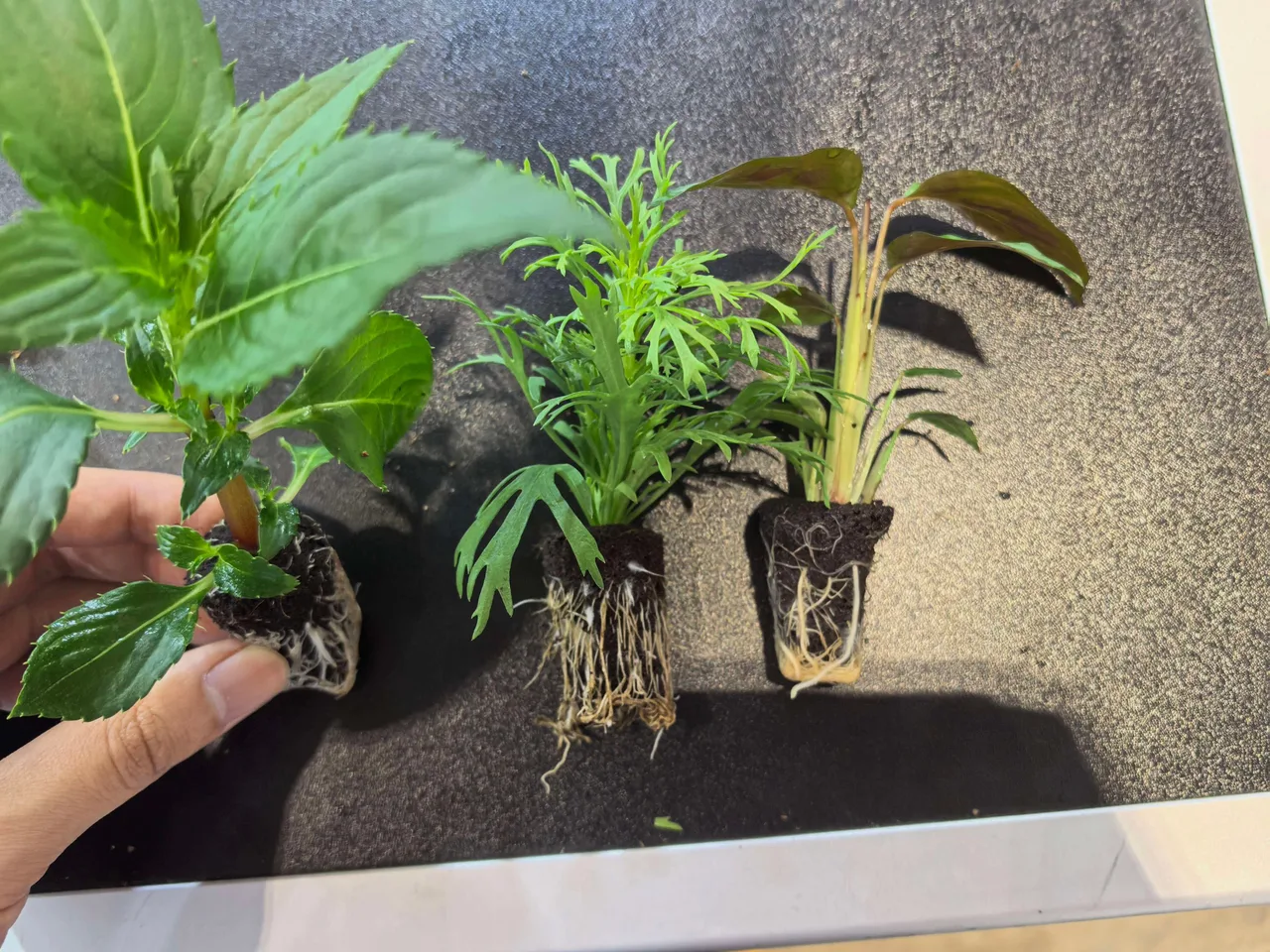
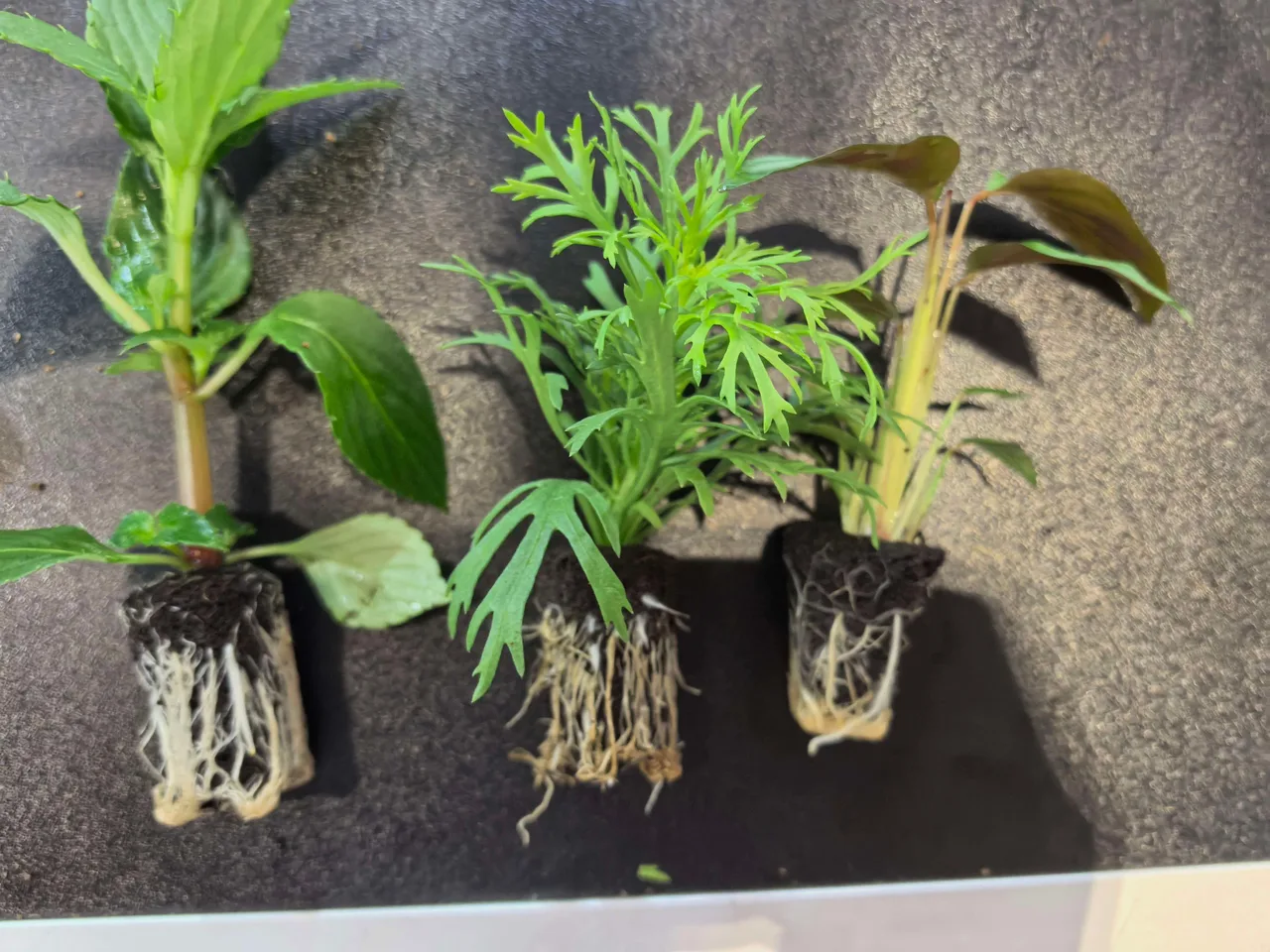
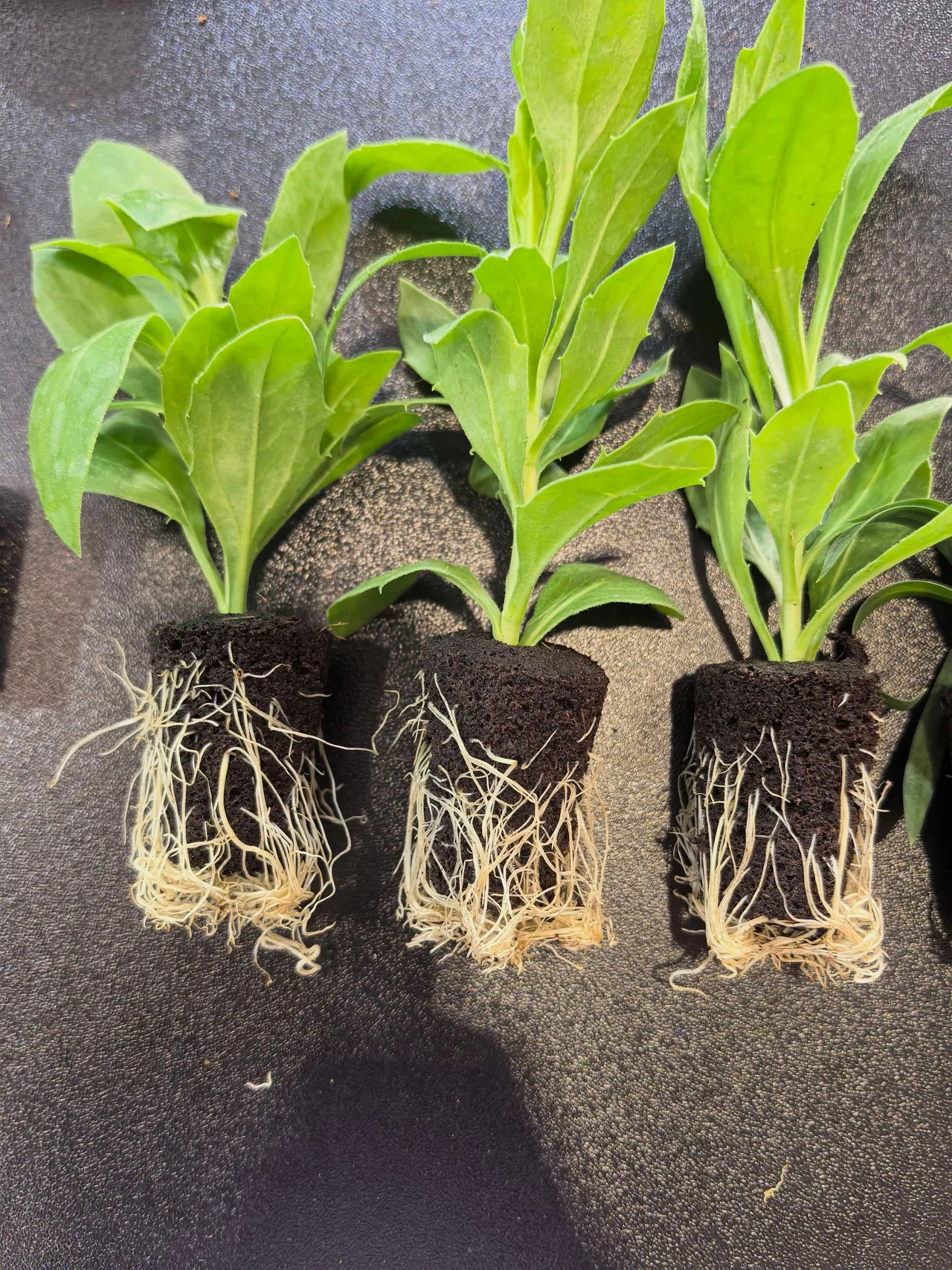
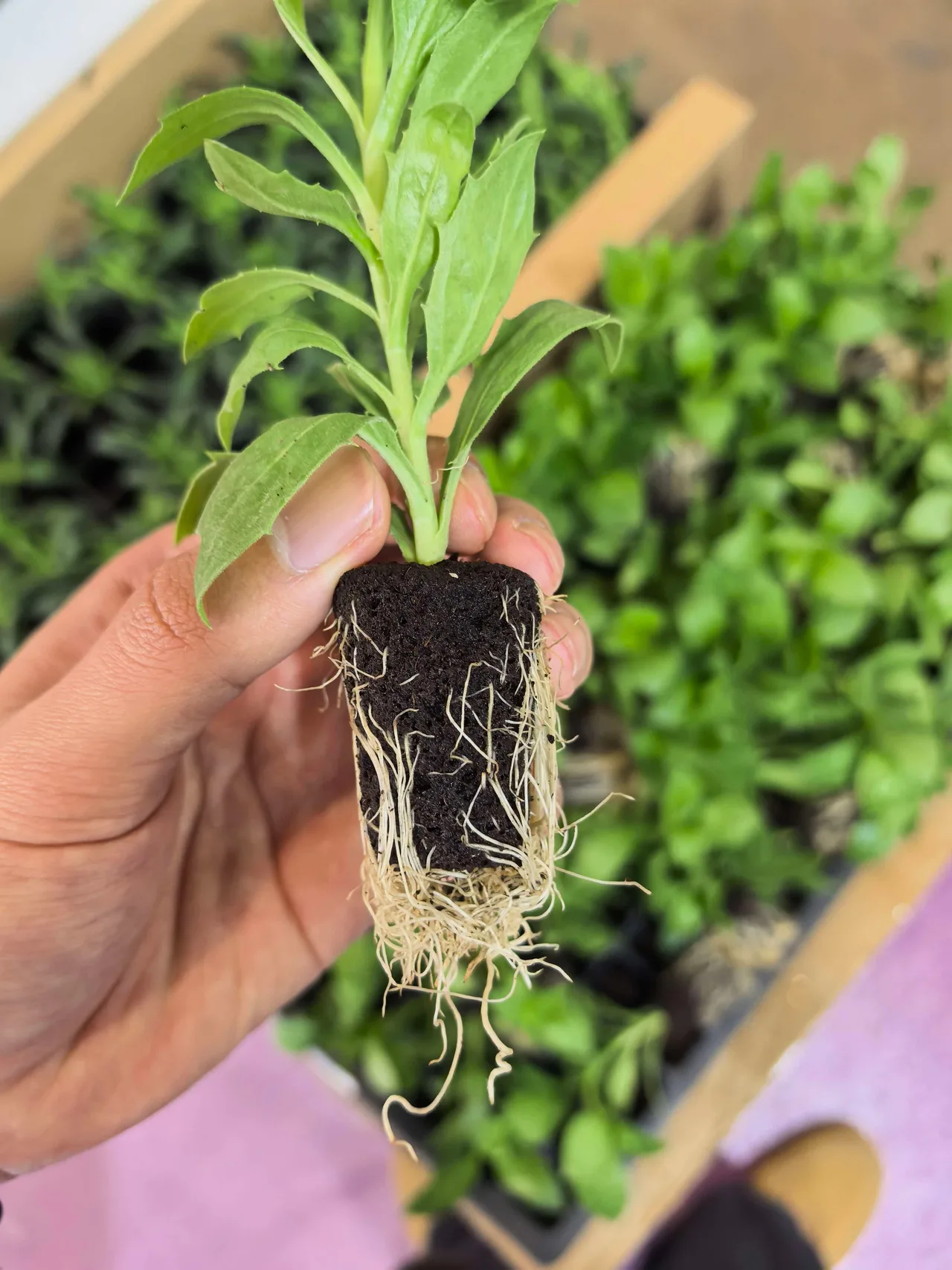
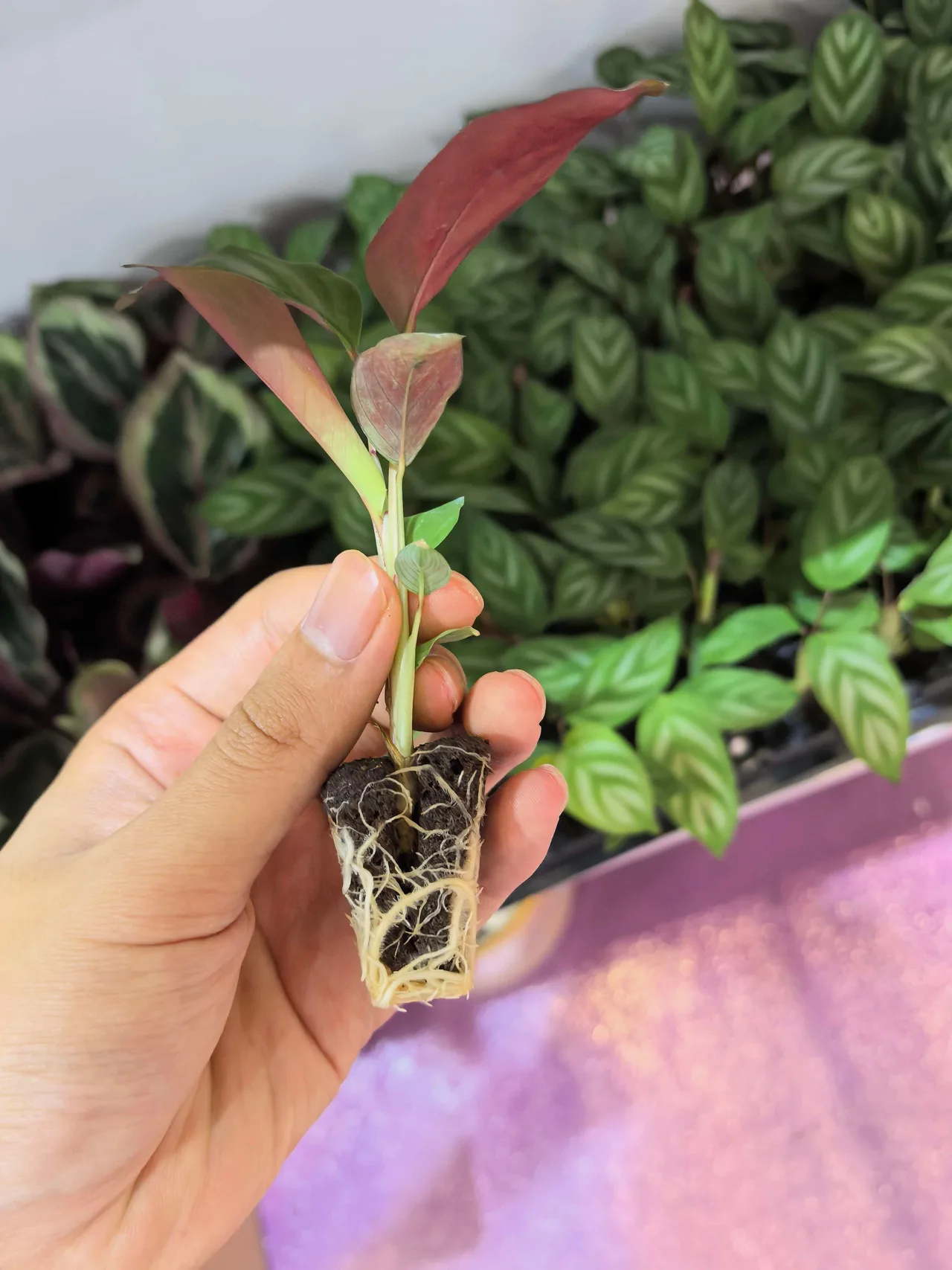
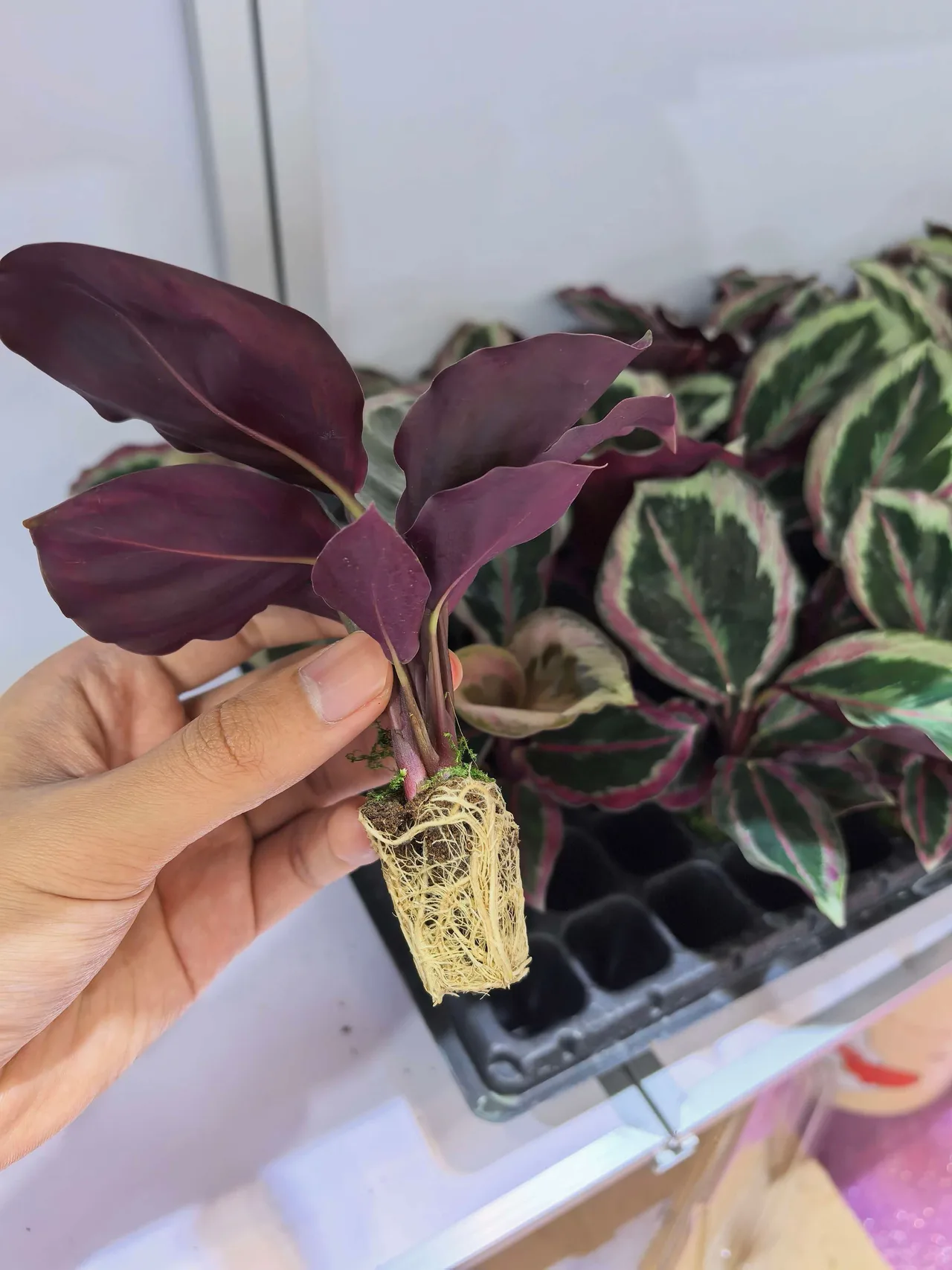
What do rooted cuttings in molded propagation plugs look like before transplanting? These original photographs and a short video, supplied by the MCCS team from a Yunnan exhibition visit, show roots on the sides and beneath the plug bodies. They are visual application records, not a controlled comparison or a guarantee of nursery performance.
What the photographs show
Light-colored roots are visible around the external surfaces of the displayed plugs, with roots extending below several examples. The photographs also show the foliage and the overall plug outline. A side-by-side view and handheld close-ups make it possible to inspect these visible details without relying on a product illustration.
The examples do not all show the same root coverage. This is a reason to record each crop and propagation batch separately, rather than treating one photograph as a specification. A dense external root network alone does not establish root health, transplant readiness or subsequent crop performance.
MCCS supplies molded coconut coir and peat substrate plugs for propagation evaluation. The exhibition specimens demonstrate a use of the product; they do not identify a particular catalog model or establish its dimensions. Match your actual tray or holder before selecting a sample.
Evidence and its limits
| Record | What is established |
|---|---|
| Source | Original media supplied by the MCCS team from its Yunnan exhibition visit. |
| Visible evidence | Roots around and below molded plug bodies; foliage and plug outlines are visible. |
| Not measured here | Rooting days, success rate, crop identity, plug model, dimensions and growing conditions are not documented in this record. |
| Comparison scope | No untreated control, alternative-substrate trial or replicated performance comparison is presented. |
Watch the rooted plugs being handled
The 32-second silent web version shows plants being held above the display trays, including side views of the plugs and visible roots. It is an observation of displayed specimens, not a mechanical strength or transplant-survival test.
Seven views of the exhibition specimens
Images are oriented upright and keep the complete source frame. Open a photograph for a larger view.
Turn the visual record into a useful nursery trial
- Start with the crop, propagation method and cell geometry. Send the tray opening, usable depth and taper, plus a photograph or drawing. Do not infer plug size from the hand in a photograph.
- Compare samples with your current substrate under the same recorded conditions. Use comparable cuttings, label the batches and record irrigation, humidity, temperature and any treatments.
- Record the number of cuttings started and rooted at agreed observation dates. Photograph both the side and base, and note moisture, plug handling, root distribution and any losses.
- Continue the comparison after transplanting. Agree acceptance criteria for establishment and handling before discussing regular supply.
Questions from propagation buyers
Do these photos prove a faster rooting time?
No. They show visible roots at the time of photography, without a documented start date or control group. Rooting speed must be measured in a trial.
Can the plug model be selected from the pictures?
No. Confirm the actual tray dimensions, crop and propagation workflow, then compare the approved catalog specifications.
Can we request a trial for our nursery?
Yes. Send your crop, tray details, destination and intended test quantity. MCCS can discuss suitable existing models, sample availability and shipping before you proceed.
Plan a trial for your crop and tray
Share the crop, propagation method, tray drawing and destination. We will discuss an appropriate sample shortlist and the information to record during testing.