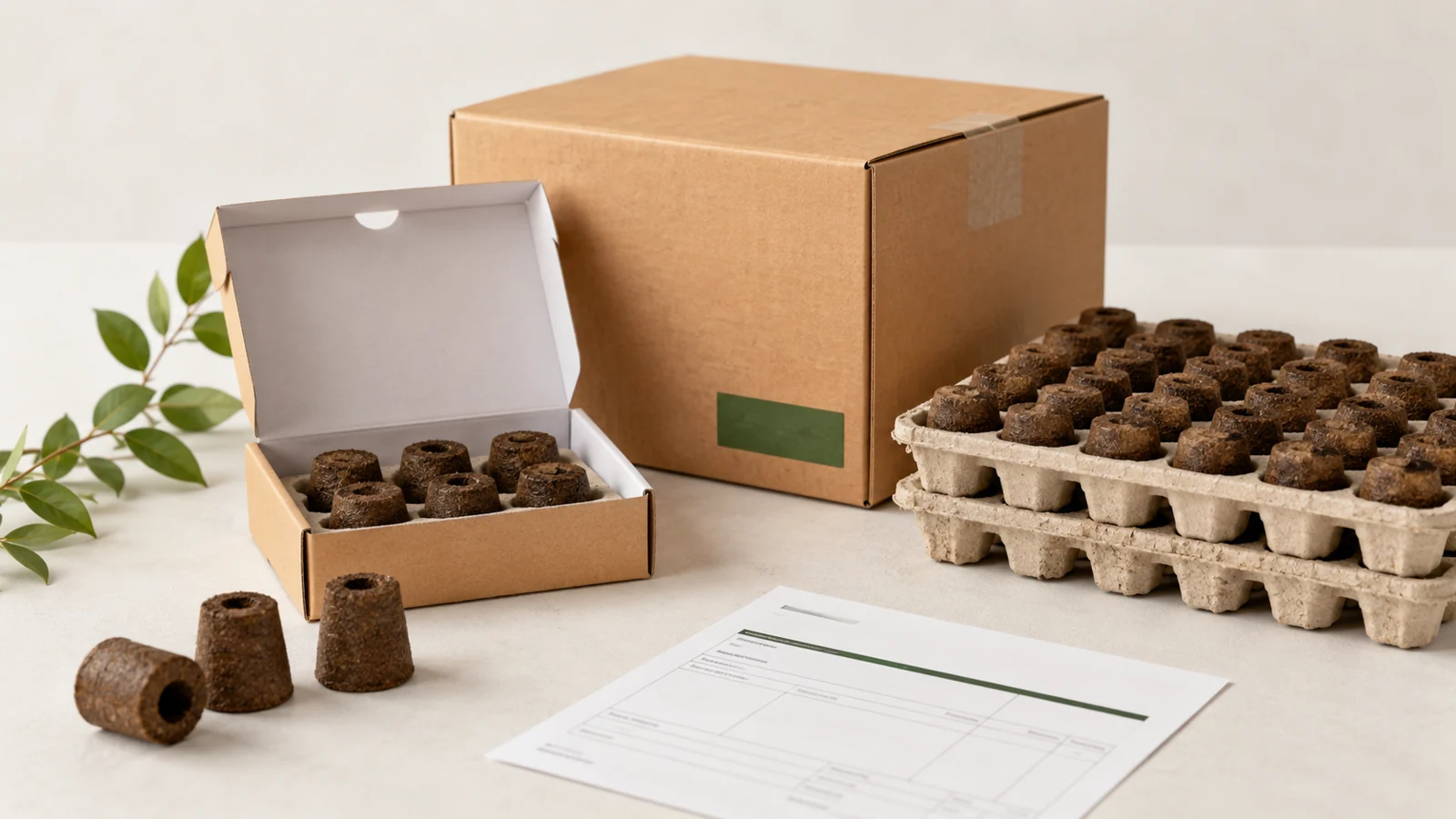
Saudi-local MCCS samples can be arranged for qualified projects. Use them in a controlled local comparison and record water source, greenhouse conditions, irrigation and crop observations before importing at scale.
1. Record the local operating context
Document city or project location, greenhouse type, crop, tray, cooling method, water source, nutrient program and trial dates. Conditions can differ substantially between projects, so a generic regional claim is not enough.
2. Characterize water and irrigation inputs
Record source-water EC and pH using the project's normal method, irrigation volume and frequency, drainage observations and any water treatment. Keep these inputs linked to each treatment.
3. Use Saudi-local samples for screening
For qualified Saudi projects, local sample access can shorten initial evaluation. Confirm sample availability, model and collection or delivery arrangement with sales before planning the trial. Local availability does not replace model confirmation or a documented protocol.
4. Compare under the same greenhouse zone
Place control and candidate treatments in comparable positions and use the same crop and observation schedule. Record hydration, surface condition, plant uniformity, root-zone handling and transplant observations.
5. Add import and supply review after technical fit
Once the local trial passes, review required volume, packaging, shipping route, documentation and replenishment timing. Separate the agronomic decision from the commercial logistics decision, then approve both before scale-up.
Buyer evaluation matrix
| Trial factor | Record in Saudi project | Reason |
|---|---|---|
| Location and dates | City, greenhouse and trial period | Frames climate context |
| Water | Source, EC, pH and treatment | Explains irrigation input |
| Irrigation | Volume, frequency and drainage | Connects water to media response |
| Crop response | Fixed observation schedule | Supports comparable decisions |
| Supply plan | Volume, route and packaging | Tests commercial readiness |
Send the crop or application, tray dimensions, current workflow, destination, expected volume range and required evidence with the inquiry. MCCS sales can then discuss a relevant sample route without changing protected product specifications.